No products in the cart.
Menu
Categories
- 1 Litre Pressure Cooker
- Aluminium Pressure Cooker
- Hard Anodized Cooker
- Hawkins Pressure Cooker
- Induction Top Pressure Cooker
- Inner Lid Pressure Cooker
- Pressure Cooker 1.5 Litre
- Pressure Cooker 10 Litre
- pressure cooker 2 litre
- Pressure Cooker 3 Litre
- Pressure cooker 3 Litre Lowest Price
- Pressure Cooker 5 Litre
- Pressure Cooker Combo
- Prestige Pressure Cooker
- Stainless Steel Pressure Cooker
- Surya King Cooker
- Triply Pressure Cooker
- Uncategorized

stainless steel pressure cooker
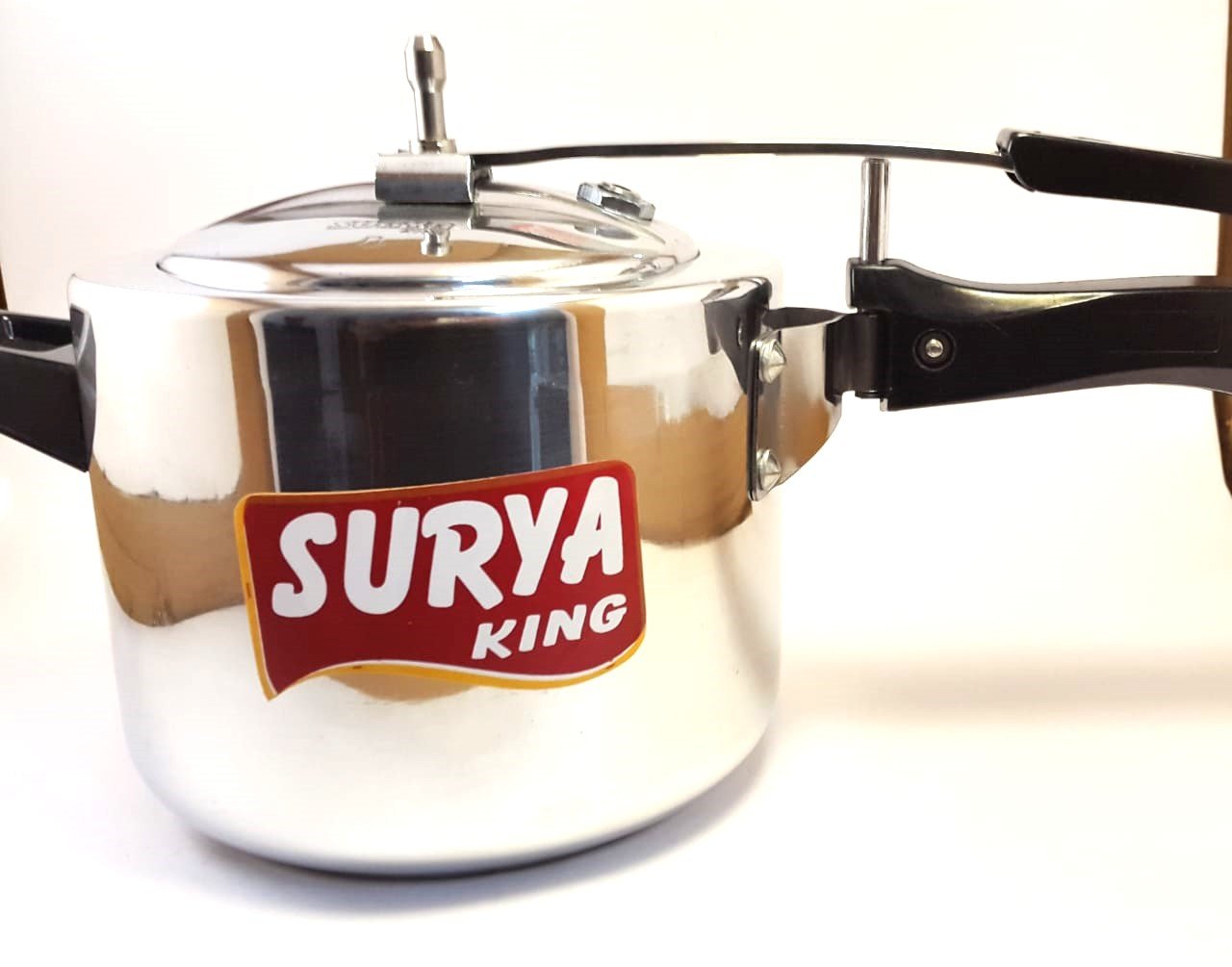
Premium Stainless Steel Pressure Cooker for Fast & Efficient Cooking
This page contains an expansive selection of premium pressure cookers designed to meet various cooking needs. Our collection boasts well-known brands and models with proven efficiency and longevity in mind.
Key Features & Benefits :
Crafted with high-grade stainless steel or aluminium for exceptional durability and corrosion resistance. Their robust material also optimises heat distribution to deliver evenly cooked meals over an extended period.
Capacity Available 3-liter, 5-liter and 7-liter variants to meet different household requirements – ideal for small families to mid-sized gatherings as well as meal prepping – there’s sure to be one suitable. Compatibility: Engineered for optimal stovetop compatibility, this pressure cooker works seamlessly across gas stoves, induction cooktops and electric stoves. With an advanced base design ensuring efficient heat absorption for fast and even cooking on all surfaces.


Product categories
- Show All Categories
- 1 Litre Pressure Cooker 1
- Aluminium Pressure Cooker 3
- Hard Anodized Cooker 0
- Hawkins Pressure Cooker 3
- Induction Top Pressure Cooker 0
- Inner Lid Pressure Cooker 2
- Pressure Cooker 1.5 Litre 0
- Pressure Cooker 10 Litre 0
- pressure cooker 2 litre 1
- Pressure Cooker 3 Litre 2
- Pressure cooker 3 Litre Lowest Price 0
- Pressure Cooker 5 Litre 1
- Pressure Cooker Combo 0
- Prestige Pressure Cooker 0
- Stainless Steel Pressure Cooker 1
- Surya King Cooker 0
- Triply Pressure Cooker 0
- Uncategorized 1
Status
Need Help?
24/7
Contact now
Safety Features:
● Advanced Locking System: Provided with a lock to prevent accidental opening while under pressure and guarantee user security.
● Pressure Release Valve: Regulates steam release for safe cooking by preventing excess pressure build-up, thus decreasing risks such as overflows or mishaps during preparation.
● Heat-Resistant Handles: Ergonomically designed stay-cool handles provide a firm and comfortable grip to reduce accidental burns.
Efficiency:
● Faster Cooking Times:
Cook times have been reduced up to 70% when compared with traditional methods, helping save both energy and time.
● Retains Nutrients & Flavors:
A vacuum environment preserves essential vitamins, minerals and natural flavors of meals for healthier yet more satisfying dining.
How to Use & Care Instructions Step-by-Step Guide:
1. Add ingredients and water into the cooker
2. Secure its lid with safety locks in place
3. Cook on desired heat source until pressure builds before
4. Allow steam release before opening lid safely. Cleaning & Maintenance Tips: ● After every use, rinse with hot, soapy water to cleanse thoroughly and disinfect. ● Avoid using cleaners containing abrasives to protect surfaces from damage. ● Store items in an airtight environment to prevent corrosion or moisture accumulation.
Limited Stock Available – Order Today!
Frequently Asked Questions
Q: how to cook rice in pressure cooker
Ans: Prepping rice in a pressure cooker is quick and effortless, eliminating unnecessary steps for maximum convenience.
Start by thoroughly rinsing 1 cup of grain under running water until all excess starch and stickiness have been removed, eliminating potential stickiness issues.
Add the rice to the cooker along with 2 cups of water for regular white rice (use 1.5 cups for firmer rice).
You can also add a pinch of salt and a teaspoon of oil or butter for extra flavor. Close the lid and set your cooker over medium heat. Let it reach full pressure, reduce it by half, then simmer the desired kind of rice (white or brown) for 3-4 or 8-10 minutes before switching it off and allowing natural pressure release for ten minutes before opening it and fluffing with a fork before enjoying perfectly cooked, fluffy results every time!
Q: how to make cake in pressure cooker
Ans: Baking cakes in a pressure cooker is simple! Just follow these easy
steps: 1. Prepare the Cooker: Remove the whistle and gasket from the lid. Place salt or sand at the base, along with a stand or steel plate for support, before preheating for five minutes on low flame.
2. Make the Batter: In a bowl, mix 1 cup flour, ½ cup sugar, ½ teaspoon baking powder, ¼ teaspoon baking soda, ½ cup milk, ¼ cup oil, 1 teaspoon vanilla essence, and 1 tablespoon vinegar. Mix well to form a smooth batter.
3. Bake the Cake: Grease a cake tin and pour the batter. Place it inside the preheated cooker. Cover with the lid (without the whistle) and cook on low heat for 35-40 minutes.
4. Check & Serve: Insert a toothpick; if it comes out cleanly, your cake is complete and should be left to cool before serving. Enjoy!
5. Q: who invented pressure cooker
Ans: Denis Papin, a French physicist, first devised the modern-day pressure cooker in 1679 using steam pressure in an "steam digester", creating faster food preparation times using pressure from within a closed container of steam pressure. Papin's invention consisted in using steam to increase temperature and pressure within an enclosed pot, greatly decreasing cooking times by trapping steam inside it. Though his early models lacked safety mechanisms, they laid the groundwork for modern cookers. With time came advancements like safety valves, improved sealing technology and durable materials that made cookers safer and more effective. In the 20th century, brands like Hawkins, Prestige and Fissler made this technology an integral component of household life. Today, pressure cookers come in stovetop and electric models, widely used worldwide for their time-saving and energy-efficient cooking benefits. Thanks to Papin’s innovation, millions of people enjoy faster and healthier meals every day.
Q: which pressure cooker is best in india
Ans: Finding the ideal pressure cooker in India involves considering factors like capacity, material composition, safety features and brand reputation. An outstanding selection is the Hawkins Stainless Steel Cooker; widely recognized for its durability and efficient heat distribution features it works on both gas and induction stoves. Safety features of this pressure cooker include a pressure-locked safety lid and pressure regulator to provide users with safe cooking experiences. Another excellent choice is the Prestige Deluxe Alpha Stainless Steel Cooker; featuring its distinctive deep lid design to reduce spillage as well as an alpha base to even out heating, its ergonomic handle provides user convenience and its controlled gasket release system adds safety. Both brands - Hawkins and Prestige - have enjoyed longstanding trust among Indian families, making their pressure cookers reliable choices for modern kitchens.
Q: which pressure cooker is best aluminium or steel.
Choose an aluminium or stainless steel pressure cooker according to your cooking needs and personal preference. Aluminium cookers are light, affordable and conduct heat quickly - ideal for fast cooking! But over time they may lose durability as acidic foods react adversely. On the other hand, stainless steel cookers are more durable, resistant to corrosion, and do not react with food, ensuring healthier cooking. Although these models take slightly longer to heat up, they retain heat effectively and need minimal maintenance over time. Aluminium makes an economical, lightweight option for daily cooking; however, for longevity, superior safety, and healthier cuisine stainless steel should always be your first consideration.
Subscribe
Subscribe
Newsletter
Enter your email below to the first to know about collections